
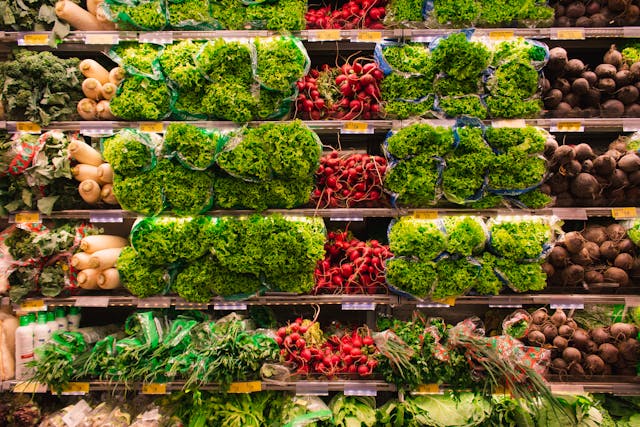
Genetically modified organisms (GMOs) have been a topic of intense debate since their introduction in the 1990s. These organisms, whose genetic material has been altered using genetic engineering techniques, are prevalent in agriculture and food production. The question of whether GMOs are beneficial or risky is complex and multifaceted. Let’s explore the key aspects, benefits, and potential risks of GMOs, along with their broader impact on individuals, businesses, and society.
Key Aspects and Importance of GMOs
GMOs are created by inserting genes from one organism into another to achieve desired traits, such as pest resistance, drought tolerance, or improved nutritional content. The importance of GMOs lies in their potential to address global challenges like food security, environmental sustainability, and nutritional deficiencies. However, they also raise ethical, environmental, and health concerns that warrant careful consideration.
Benefits of GMOs
- Increased Crop Yields: GMOs can significantly boost crop yields by making plants more resistant to pests, diseases, and environmental stresses. For instance, Bt corn, which contains a gene from the bacterium Bacillus thuringiensis, produces a protein toxic to certain pests, reducing the need for chemical pesticides.
- Enhanced Nutritional Content: Genetic modification can enhance the nutritional profile of crops. Golden Rice, for example, is engineered to produce beta-carotene, a precursor of vitamin A, addressing vitamin A deficiency in many developing countries.
- Environmental Sustainability: GMOs can contribute to sustainable agriculture by reducing the need for chemical inputs and promoting conservation tillage practices, which help preserve soil health and reduce greenhouse gas emissions. Herbicide-tolerant crops allow farmers to manage weeds more effectively with fewer herbicides.
- Economic Benefits: Farmers can benefit economically from higher yields and reduced input costs. Studies have shown that GM crops can lead to significant increases in farm income, particularly in developing countries where agriculture is a primary livelihood.
Potential Risks of GMOs
- Health Concerns: Critics argue that GMOs may pose unknown health risks, including allergenicity and long-term health effects. However, major scientific organizations, including the National Academy of Sciences, have found no conclusive evidence that GMOs are inherently unsafe for consumption.
- Environmental Impact: The widespread use of GMOs can lead to unintended environmental consequences, such as the development of herbicide-resistant weeds and the potential loss of biodiversity. Glyphosate-resistant crops have led to the emergence of “superweeds” that are difficult to control.
- Ethical and Social Issues: The patenting of genetically modified seeds by corporations can lead to ethical and social concerns. Monsanto’s practices of enforcing seed patents have raised issues about farmers’ rights and corporate control over food systems.
- Cross-Contamination: GMOs can potentially cross-contaminate non-GMO and organic crops, affecting biodiversity and the integrity of non-GMO food supplies. Incidents of GMO contamination have led to economic losses for organic farmers and exporters.
Real-World Examples
- Bt Cotton in India: The introduction of Bt cotton in India has led to increased yields and reduced pesticide use. However, it has also sparked controversy over its impact on smallholder farmers and instances of pest resistance.
- Papaya Ringspot Virus: In Hawaii, genetically modified papayas resistant to the ringspot virus have saved the industry from collapse. This case highlights the potential of GMOs to address specific agricultural challenges.
- GMO Salmon: The FDA approved genetically modified salmon, which grows faster than conventional salmon. This approval has sparked debates about the safety and environmental impact of GMOs in aquaculture.
Impact on Individuals, Businesses, and Society
For individuals, GMOs can provide access to more nutritious and affordable food options. However, concerns about health and environmental impacts may influence consumer choices. Businesses in the agricultural sector can benefit from increased productivity and reduced costs, but they must navigate regulatory frameworks and public perception. Society as a whole can gain from enhanced food security and sustainability, but must address ethical and ecological challenges associated with GMOs.
Actionable Tips and Recommendations
For those interested in understanding and engaging with the topic of GMOs:
- Educate Yourself: Read up on the science, benefits, and risks of GMOs from reputable sources. Websites like Genetic Literacy Project and National Academy of Sciences offer comprehensive information.
- Stay Informed on Regulations: Follow updates on GMO regulations and policies in your country. Understanding regulatory frameworks can help you make informed decisions about GMO products.
- Engage in Discussions: Participate in community forums, social media groups, and public debates about GMOs. Engaging with diverse perspectives can enhance your understanding of the issue.
- Support Sustainable Practices: Advocate for and support sustainable agricultural practices that balance the benefits of GMOs with environmental and ethical considerations. Organizations like Sustainable Agriculture Research and Education (SARE) provide resources on sustainable farming practices.
The debate over GMOs is intricate and ongoing, with valid arguments on both sides. While GMOs offer significant benefits in terms of productivity, nutrition, and sustainability, they also pose potential risks to health, the environment, and social equity. By staying informed, engaging in discussions, and advocating for balanced approaches, we can navigate the complexities of GMOs and make informed decisions about their role in our food systems.