
Key Takeaways:
- Plastic injection molding is revolutionizing the manufacturing industry by enhancing efficiency and promoting sustainability.
- Recent innovations have significantly improved cost-effectiveness, production speed, and material usage.
- Understanding these advancements can help businesses stay competitive and eco-friendly.
Introduction to Plastic Injection Molding
Plastic injection molding is a manufacturing process used to create a wide range of products by injecting molten plastic into a mold. This method has grown tremendously since its inception, revolutionizing the production landscape. It’s known for its versatility and efficiency, so many industries rely on injection molding to meet their production needs. By utilizing molds that can reproduce intricate designs with great precision, businesses can mass-produce items with consistently high quality.
This technology has evolved significantly since the mid-20th century, leveraging advancements in machinery, materials, and methodologies to produce even more precise and high-quality components. The adaptability of plastic injection molding has ensured its applicability across various industries, from automotive and aerospace to consumer goods and medical devices.
Efficiency Enhancement through Advanced Technologies
One notable development in plastic injection molding is the integration of CNC machining. Computer Numerical Control (CNC) machines offer incredible precision, allowing manufacturers to create complex parts with minimal error margins. With CNC machines, manufacturers can automate intricate cuts and shapes that would be challenging and time-consuming to produce manually. This technology is pivotal for industries that demand high accuracy, such as aerospace and medical devices, where even a minor flaw can have significant consequences.
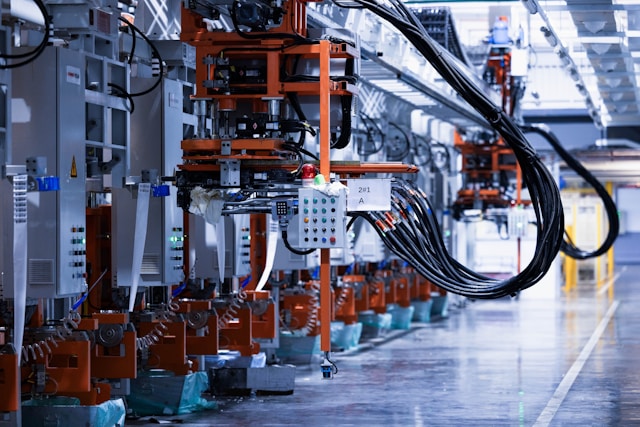
Additionally, the advent of automated systems has vastly improved manufacturing speeds and consistency. Robotics and automated conveyor systems reduce the dependence on human labor, ensuring higher production speeds and fewer errors. Ton-scaling robotics handle the heavy lifting, while precise robotic arms manipulate the molds and components with great care, reducing the risk of human error. This level of automation not only speeds up the production process but also maintains a consistently high level of quality, which is crucial for maintaining competitiveness in a fast-paced market.
Sustainable Practices in Plastic Injection Molding
The push towards sustainability has significantly influenced plastic injection molding practices. Manufacturers now prioritize the use of biodegradable and recycled materials. Companies can reduce their environmental footprint by adopting these materials while producing durable, high-quality products. For instance, bio-based plastics derived from renewable sources such as corn starch and sugarcane gradually replace traditional petroleum-based plastics, reducing greenhouse gas emissions.
Energy-efficient machinery is another stride towards sustainability. Modern injection molding machines are designed to consume less power, reducing operational costs and carbon emissions. Techniques such as all-electric machines and energy recovery systems are being widely adopted. These green initiatives protect the environment and appeal to eco-conscious consumers, who increasingly want to support brands that prioritize sustainability.
Cost-Effectiveness of Modern Injection Molding
One of the primary benefits of modern injection molding techniques is the reduction in material waste. Precision molding ensures that only the necessary material is used, minimizing scrap and lowering costs. This efficiency translates to significant savings, especially for large-scale operations that produce thousands of units daily. The use of high-quality molds allows for multiple uses, which further reduces costs over time.
Rapid prototype development is another cost-effective aspect of modern plastic injection molding. The ability to quickly produce and test prototypes allows companies to identify and resolve design issues early in development. Rapid prototyping with 3D printing can also reduce the time to market for new products, providing companies with a strategic advantage. This not only saves time but also reduces the costs associated with extensive rework and modifications, helping companies bring their innovations to market more swiftly and efficiently.
The Future of Plastic Injection Molding
Looking forward, the plastic injection molding industry is poised for further innovations. Emerging technologies, such as 3D printing and advanced materials, will influence future advancements. For instance, hybrid systems that combine 3D printing with traditional injection molding techniques are being explored to create components with intricate designs and enhanced properties.
However, challenges such as material costs and regulatory requirements must be addressed. Advanced materials like carbon fiber-reinforced polymers can elevate material costs but offer unparalleled strength and efficiency. By staying ahead of these trends and proactively addressing these challenges, companies can continue to leverage the benefits of this evolving technology, ensuring their long-term success and sustainability.
How to Choose the Right Plastic Injection Molding Partner
Selecting the right plastic injection molding partner is crucial for businesses looking to optimize their production processes. Key considerations include the partner’s technological capabilities, sustainability practices, and cost structure. It is also essential to consider the partner’s experience and expertise in their specific industry, as this can significantly impact the quality and suitability of the molded components produced.
Evaluating a potential partner’s investment in advanced machinery and automation can provide insights into their efficiency and precision. A commitment to sustainable practices can also indicate a responsible and forward-thinking company. Certifications such as ISO standards can indicate a partner’s commitment to quality and environmental management practices.
Conclusion
Modern innovations in plastic injection molding are transforming the manufacturing landscape by enhancing efficiency and promoting sustainability. By adopting these advanced practices, businesses can achieve significant cost savings, reduce their environmental impact, and maintain a competitive edge. Embracing these modern plastic injection trends is beneficial and necessary for staying relevant in today’s dynamic market. Whether through the integration of cutting-edge technologies or the commitment to sustainable practices, plastic injection molding continues to be a cornerstone of modern manufacturing.