
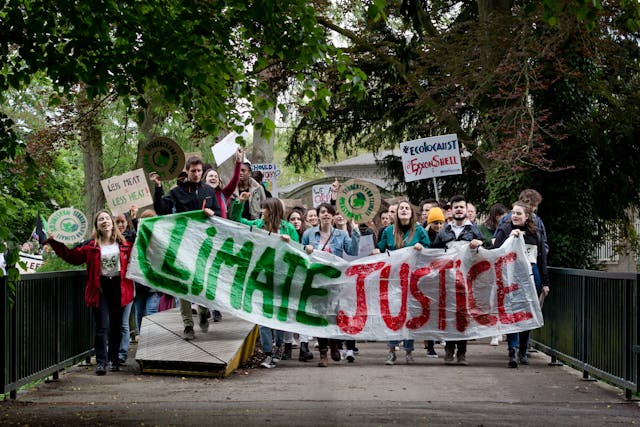
As the world grapples with the escalating impacts of climate change, the question of whether developed countries should lead climate action is becoming increasingly critical. Developed countries, with their advanced economies and higher carbon footprints, have a significant role to play in mitigating climate change. Let’s explore the key aspects, benefits, and potential drawbacks of this issue, along with its broader impact on individuals, businesses, and society.
Key Aspects and Importance of Developed Countries Leading Climate Action
Developed countries have historically contributed the most to greenhouse gas emissions, largely due to industrial activities and high consumption levels. As a result, they have a greater responsibility to lead in reducing emissions and transitioning to sustainable practices. The importance of this topic lies in its potential to set global standards, drive innovation, and ensure a just and equitable transition for all nations.
Benefits of Developed Countries Leading Climate Action
- Historical Responsibility: Developed countries have a moral obligation to address the disproportionate impact their past and present activities have on global warming. By taking the lead, they acknowledge and act on this historical responsibility.
- Technological and Financial Resources: Developed countries have the technological expertise and financial resources to invest in sustainable infrastructure, renewable energy, and innovative solutions. Germany’s Energiewende, for example, showcases a national commitment to renewable energy and reducing carbon emissions.
- Setting Global Standards: By implementing robust climate policies, developed countries can set standards and best practices that other nations can follow. The European Union’s Green Deal aims to make Europe the first climate-neutral continent by 2050, serving as a model for global climate action.
- Driving Economic Growth: Investing in green technologies can stimulate economic growth and create new job opportunities. The United States’ Inflation Reduction Act, which includes substantial funding for clean energy, illustrates how climate action can drive economic development.
Potential Drawbacks of Developed Countries Leading Climate Action
- Economic Costs: Transitioning to a low-carbon economy requires significant investment, which may strain national budgets and affect economic stability. Critics argue that these costs could hinder short-term economic growth.
- Competitive Disadvantage: Strict environmental regulations could put industries in developed countries at a competitive disadvantage compared to those in countries with laxer standards, potentially leading to job losses and economic shifts.
- Implementation Challenges: Achieving climate targets requires comprehensive policy changes, technological advancements, and public support, which can be difficult to coordinate and implement effectively.
- Equity Concerns: There is a risk that climate policies in developed countries may disproportionately impact low-income communities and exacerbate existing inequalities. Ensuring an equitable transition is crucial.
Real-World Examples
- Paris Agreement: The Paris Agreement is a landmark international accord in which developed countries have committed to significant emission reductions. Countries like Sweden and France have set ambitious climate goals and are making substantial progress.
- China’s Climate Initiatives: Although a developing country by many standards, China has emerged as a leader in renewable energy investment. Its initiatives demonstrate that climate leadership is not solely the purview of developed nations.
- California’s Climate Policies: California has implemented stringent climate policies, including cap-and-trade programs and aggressive renewable energy targets. These efforts position the state as a leader in climate action within the United States.
Impact on Individuals, Businesses, and Society
For individuals, developed countries leading climate action can mean cleaner air, healthier communities, and new job opportunities in green industries. Businesses can benefit from innovation and efficiency gains but must adapt to new regulations and market conditions. Society as a whole can experience improved public health, reduced climate risks, and greater resilience against environmental challenges.
Actionable Tips and Recommendations
For those interested in supporting and engaging with climate action:
- Stay Informed: Follow news and updates on climate policies and initiatives in developed countries. Websites like Climate Central and United Nations Climate Change provide valuable information.
- Advocate for Policy Change: Support policies and initiatives that promote sustainability and climate action. Engage with local representatives and participate in advocacy groups.
- Reduce Your Carbon Footprint: Adopt sustainable practices in your daily life, such as using renewable energy, reducing waste, and supporting eco-friendly products.
- Invest in Green Technologies: Consider investing in renewable energy sources, energy-efficient appliances, and sustainable transportation options.
- Support Climate Education: Promote climate education and awareness in your community. Organizations like The Climate Reality Project offer resources and training for climate advocates.
Developed countries have a crucial role to play in leading global climate action. While there are challenges and costs associated with this leadership, the potential benefits for the environment, economy, and society are substantial. By staying informed, advocating for change, and adopting sustainable practices, individuals and communities can contribute to a more resilient and equitable future.