
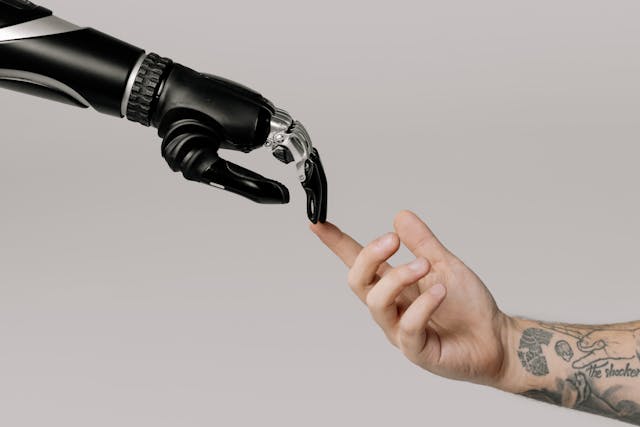
The rise of artificial intelligence (AI) and automation is transforming industries and reshaping the workforce. This technological revolution has sparked a crucial debate: Are AI and automation a threat to jobs? To address this question, we need to examine the key aspects and importance of AI and automation, their benefits and potential risks, and their overall impact on individuals, businesses, and society.
Key Aspects and Importance of AI and Automation
AI and automation involve the use of advanced technologies to perform tasks that typically require human intelligence and effort. This includes everything from manufacturing robots and self-checkout systems to sophisticated AI algorithms that analyze data and make decisions. The importance of this topic lies in its far-reaching implications for the economy, the labor market, and societal structures.
Benefits of AI and Automation
- Increased Efficiency and Productivity: AI and automation can perform tasks faster and with greater accuracy than humans. For example, Amazon’s automated warehouses significantly boost productivity by streamlining inventory management and order fulfillment.
- Cost Savings: Businesses can reduce operational costs by automating repetitive and labor-intensive tasks. Foxconn, an electronics manufacturer, replaced thousands of factory workers with robots, leading to substantial cost savings.
- Innovation and Growth: AI-driven technologies can lead to new products, services, and business models. Tesla’s self-driving cars represent a significant innovation in the automotive industry, with the potential to revolutionize transportation.
- Enhanced Safety: Automation can reduce workplace hazards by taking over dangerous tasks. For instance, autonomous mining trucks improve safety in the mining industry by minimizing human exposure to hazardous conditions.
Potential Risks of AI and Automation
- Job Displacement: The most significant concern is that AI and automation will lead to widespread job losses. Routine and manual jobs are particularly vulnerable. For example, autonomous checkout systems threaten the jobs of cashiers in retail.
- Economic Inequality: Automation may exacerbate economic inequality by disproportionately affecting low-skilled workers while benefiting high-skilled workers and tech-savvy businesses. This could lead to a widening gap between the rich and the poor.
- Skill Gaps: As technology advances, there is a growing demand for workers with specialized skills in AI and robotics. However, many workers may not have the necessary skills, leading to a mismatch in the labor market.
- Ethical and Social Concerns: The rise of AI raises ethical questions about privacy, decision-making, and accountability. For instance, AI algorithms used in hiring processes can perpetuate biases, affecting employment opportunities for certain groups.
Real-World Examples
- Manufacturing: In the automotive industry, companies like Ford and BMW use robots for assembly line tasks. While this improves efficiency, it has also led to a decline in traditional manufacturing jobs.
- Retail: Amazon Go stores employ AI to create a checkout-free shopping experience. This innovation reduces the need for cashiers, impacting employment in the retail sector.
- Healthcare: AI applications in healthcare, such as IBM’s Watson, assist in diagnosing diseases and developing treatment plans. While this enhances medical care, it may reduce the demand for certain medical professionals.
Impact on Individuals, Businesses, and Society
For individuals, AI and automation can lead to both opportunities and challenges. While new tech-related jobs emerge, workers in routine jobs may face unemployment and the need to reskill. Businesses benefit from increased productivity and cost savings but must navigate the ethical implications of automation. Society as a whole could experience shifts in employment patterns, economic structures, and social norms.
Actionable Tips and Recommendations
For those interested in understanding and addressing the impact of AI and automation:
- Stay Informed: Keep up with the latest developments in AI and automation by reading industry reports, attending conferences, and following thought leaders.
- Invest in Education and Training: Acquire new skills that are in demand, such as programming, data analysis, and AI ethics. Online courses from platforms like Coursera and Udacity offer valuable resources.
- Advocate for Policy Change: Support policies that promote workforce retraining and education, such as government-funded reskilling programs and incentives for businesses to invest in employee development.
- Engage in Ethical Discussions: Participate in discussions about the ethical implications of AI and automation. Engage with organizations like the AI Ethics Lab to contribute to shaping responsible AI practices.
AI and automation present both significant opportunities and challenges for the future of work. While they can drive innovation and economic growth, they also pose risks to job security and economic equality. By staying informed, investing in skills development, advocating for supportive policies, and engaging in ethical discussions, we can navigate the complexities of this technological revolution and work towards a more inclusive and sustainable future.